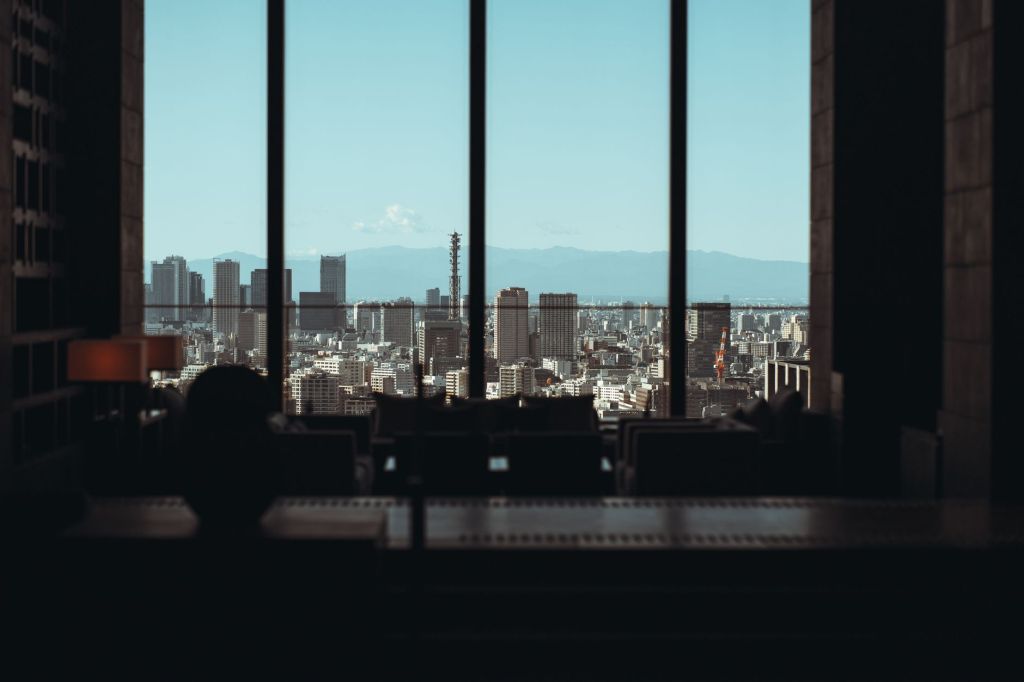
Tokyo is a huge city, and the hotel you choose shapes your whole trip. A luxury hotel here can mean a quiet base in a business district, a hotel in a lively neighborhood, or a hotel with wide views over the city. This guide explains what to compare.
Step 1: Choose the neighborhood first
Tokyo is made up of many districts, each with its own character. Areas such as Marunouchi and Ginza are close to major train lines and shopping. Roppongi and Akasaka are known for restaurants and nightlife. Shinjuku is a busy hub with many train lines, and the Asakusa and Ueno area is closer to older parts of the city. Decide what you want to do most, then look at hotels in that area. Check the distance from the nearest station on each hotel’s own page.
Step 2: Think about how you will arrive
Most international visitors arrive at Haneda or Narita airport. Haneda is generally closer to central Tokyo than Narita. Ask your hotel about transfers, and check the travel time from your airport before you decide.
Step 3: Look closely at the room
Hotel rooms in Tokyo vary a great deal in size and view. If space or a view matters to you, check the room size and the floor on the hotel’s own page, and look at the room photos. If you travel with a lot of luggage, ask about storage and luggage delivery.
Step 4: Check the services that matter to you
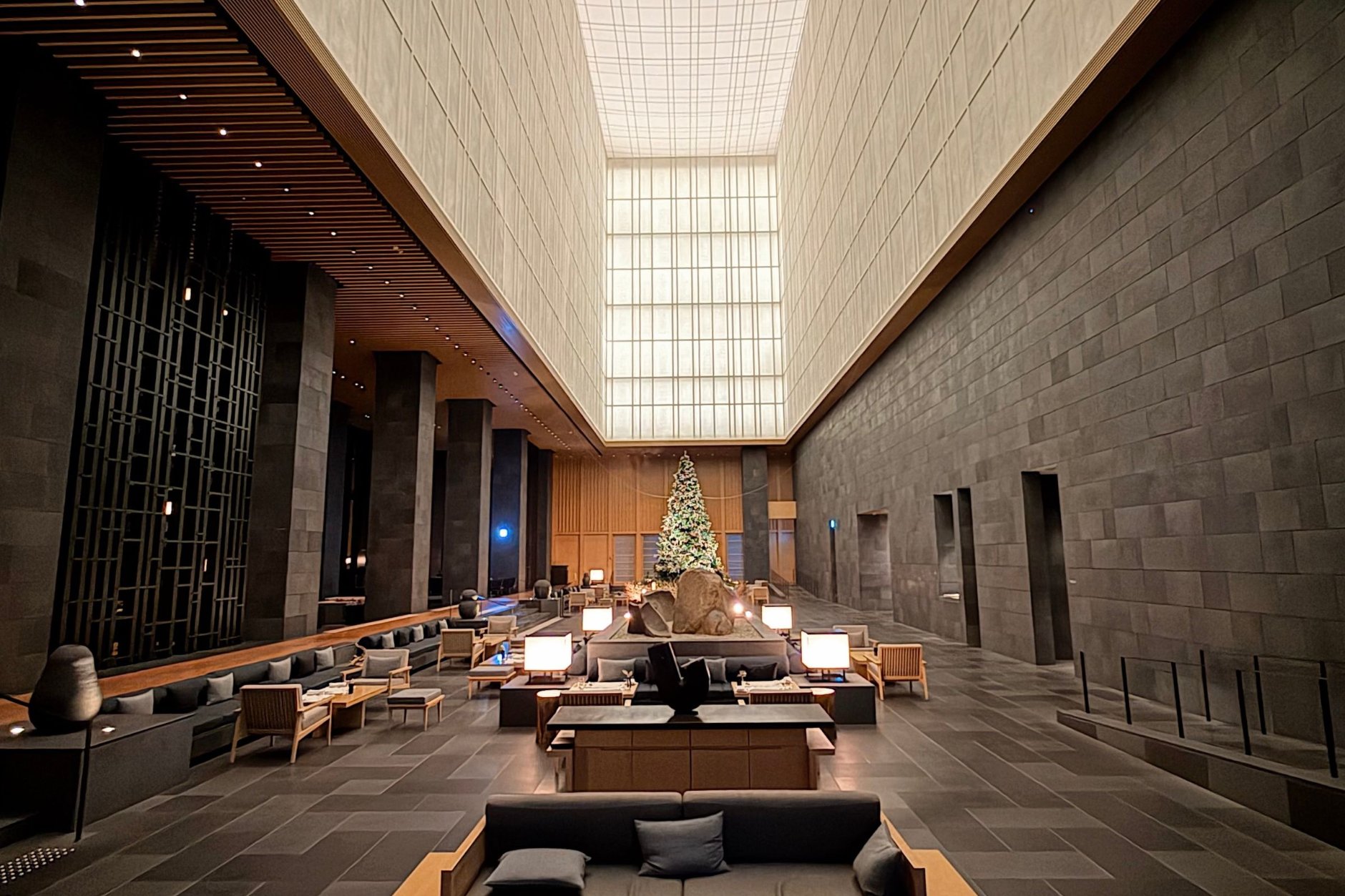
Luxury hotels differ in what they offer: restaurants, a spa or pool, a lounge, and a concierge who can help with reservations. Decide which of these you will actually use, and compare hotels on those points. Ask about check-in and check-out times, especially if you have an early arrival or a late flight.
Step 5: Remember the Tokyo accommodation tax
Tokyo’s accommodation tax currently applies to stays of 10,000 yen or more per person per night: 100 yen for 10,000 yen to under 15,000 yen, and 200 yen for 15,000 yen and above. From April 1, 2027, the system changes. The tax becomes 3% of the accommodation fee, and stays under 13,000 yen per person per night are exempt. The new system also covers some private lodging such as minpaku. For a luxury hotel, the 3% rate can make the tax a noticeable part of the total cost, so check whether it is included in the price shown.
Step 6: Add a day trip or a stay outside Tokyo
Tokyo works well as a base. If you want a quieter stay, you can add a night at a ryokan. See our guides on how to choose a luxury ryokan in Hakone and in Kyoto.
Where to book
Stays in Tokyo can be searched and booked on Trip.com, a travel booking platform.
Check the room, the cancellation terms and any taxes shown on the booking page before you pay.
Sources: Tokyo Metropolitan Government (accommodation tax revision, June 2026, in Japanese); Trip.com (Tokyo hotel listings). Photos: Pexels.
Related guides
- Where to Stay in Shinjuku: Two Luxury Hotels and a Guide to Golden Gai
- A 7-Day Luxury Itinerary for Japan: Tokyo, Hakone and Kyoto
- Shopping in Ginza: Four Stores to Visit and How Japan’s New Tax-Free Refund Works
This post contains affiliate links. If you book through them, I may earn a commission at no extra cost to you.


Leave a Reply