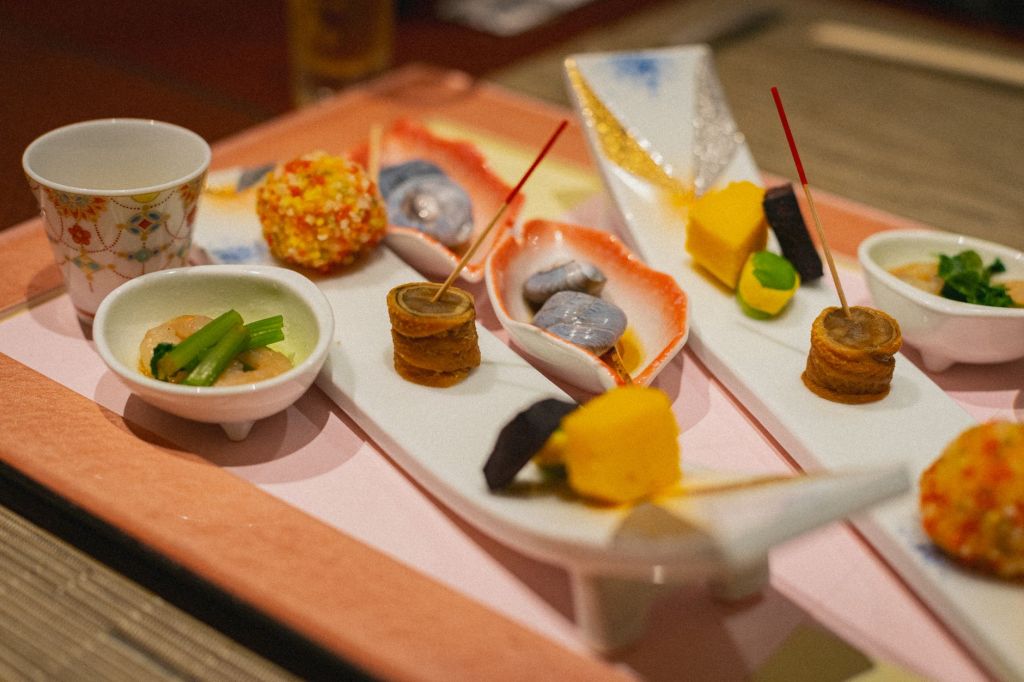
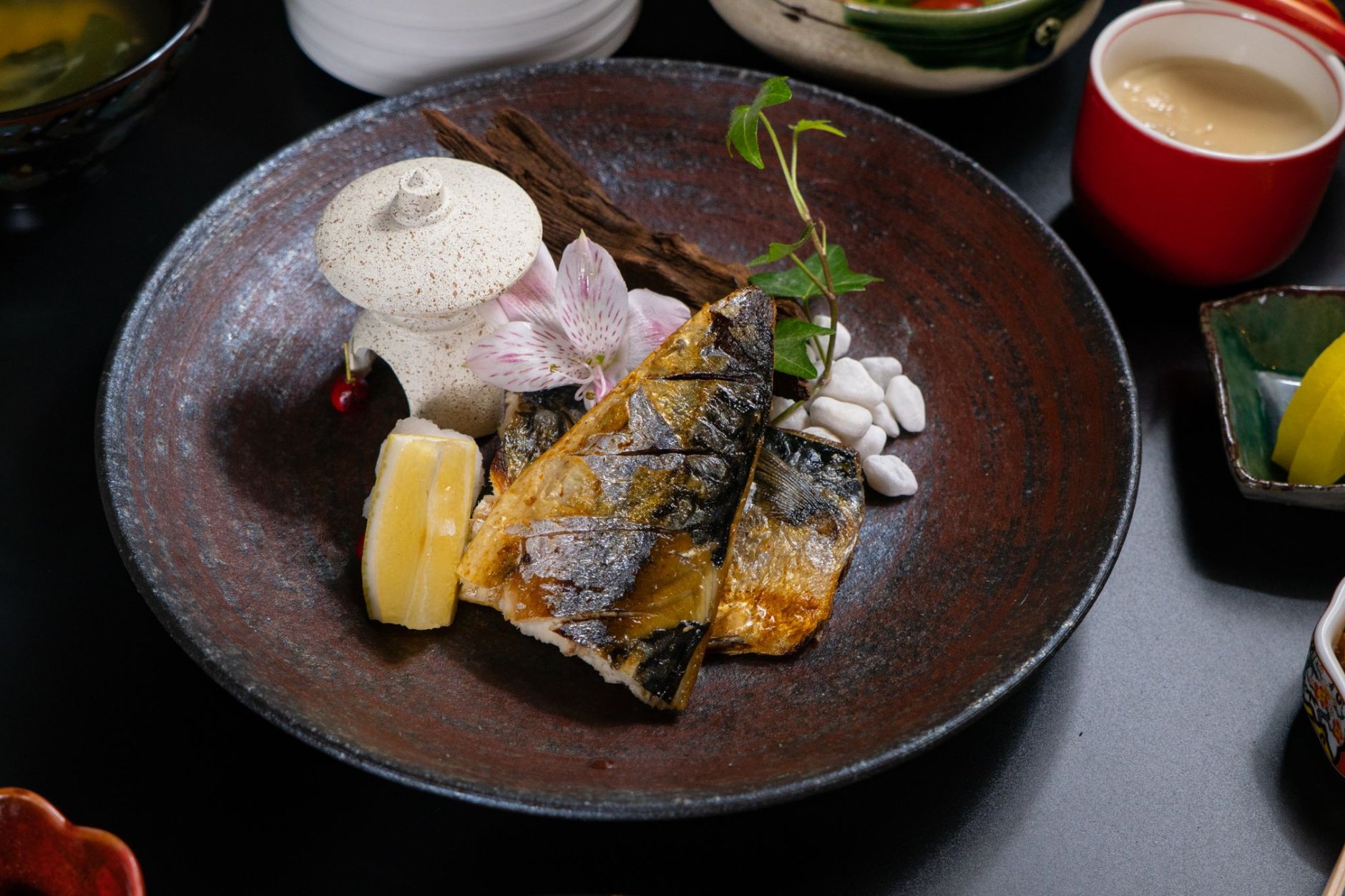
Kaiseki is a multi-course meal built around the season. It began in Kyoto, where it grew out of the light meal served before a tea ceremony. Today it is one of the most refined ways to eat in Japan, and Kyoto is one of the best places to try it. This guide explains how the meal works and how to book.
What to expect
A kaiseki dinner usually has 8 to 12 courses. Lunch is shorter, with about 5 to 7 courses. The order varies by restaurant, but a meal often moves from a small opening bite, to seasonal dishes from the sea and the mountains, sashimi, a simmered dish, a grilled dish, and then rice, miso soup and pickles. It ends with fruit or a light sweet, often with tea. The dishes are served in carefully chosen bowls and plates, so the meal is also a visual experience.
Step 1: Choose lunch or dinner
Dinner is the fuller experience. Lunch is a good option if you want a lighter and often more affordable meal, and it is generally easier to book.
Step 2: Choose where to eat
You can find traditional kaiseki restaurants in areas such as Gion, Higashiyama and Fushimi. You can also have kaiseki at a ryokan, where dinner is often part of the stay. If you are staying at a ryokan, ask when you book how dinner is arranged. See our guide on how to choose a luxury ryokan in Kyoto.
Step 3: Think about dietary needs
Traditional kaiseki often includes seafood, fish-based stock and sometimes meat. Shojin ryori, the cuisine of Buddhist temples, is the vegetarian and vegan equivalent. Some kaiseki restaurants can adapt for vegetarian guests if you tell them in advance. Tell the restaurant when you book, not when you arrive.
Step 4: Book early
Popular restaurants can fill up four to six weeks ahead, and sometimes earlier in busy seasons such as the cherry blossom season. Some require reservations through a hotel concierge or a Japanese-speaking intermediary. Ask your hotel or ryokan for help as soon as your dates are fixed.
Step 5: Read the cancellation terms
Small restaurants prepare for the guests they expect. Cancellation fees are increasingly common for premium meals, and some restaurants ask for a deposit. Check the policy before you confirm, and tell the restaurant right away if your plans change.
Step 6: Arrive on time
Arrive on time and dress neatly. Avoid strong perfume. Tipping is generally not expected in Japan. For more on choosing and booking a restaurant, see our guide to fine dining in Japan.
A note on prices
Prices vary widely. A dinner at a serious kaiseki restaurant can cost tens of thousands of yen per person, while lunch and less formal dinners cost less. Check the current price on the restaurant’s own page before you book.
Where to book
Booking links will be added to this guide soon.
Sources: Mile Asia (kaiseki guide, July 2026); Peatix Stories (restaurant reservations in Japan, May 2026). Photos: Pexels.
Related guides
- Fine Dining in Japan: How to Choose and Book an Unforgettable Meal
- How to Choose a Luxury Ryokan in Kyoto
- Where to Stay in Kyoto in Autumn: How to Choose the Area and Hotel
This post contains affiliate links. If you book through them, I may earn a commission at no extra cost to you.


Leave a Reply