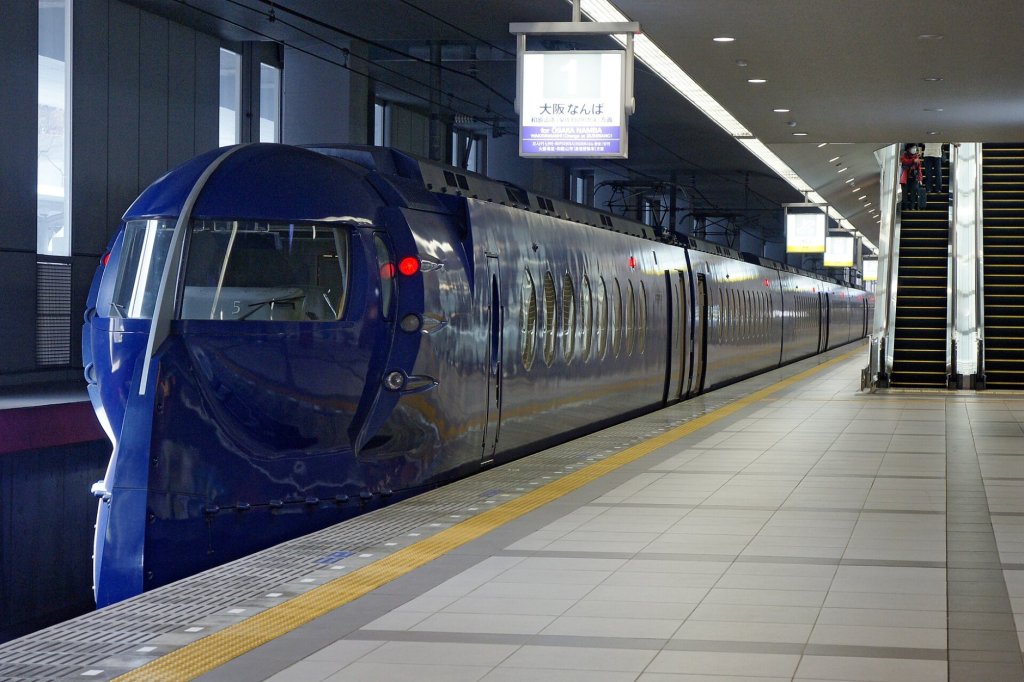
Two trains leave Kansai Airport Station for the city, and they go to different places. This guide explains which one to take, what each costs and how to buy the ticket before you land. Facts come from Nankai’s and JR-West’s official pages and from Klook’s product page, checked on November 13, 2026. Fares and rules can change, so check the official pages before you go.
Step 1: Pick your train by where you are going
Nankai’s limited express Rapi:t runs from Kansai Airport to Namba, in Osaka’s Minami area. JR-West’s limited express Haruka runs straight from the airport to Tennoji, Osaka, Shin-Osaka and Kyoto without changing trains. If you are staying in Namba, take Rapi:t. If you are going to Osaka Station, Shin-Osaka or Kyoto, take Haruka.
Step 2: Rapi:t to Namba
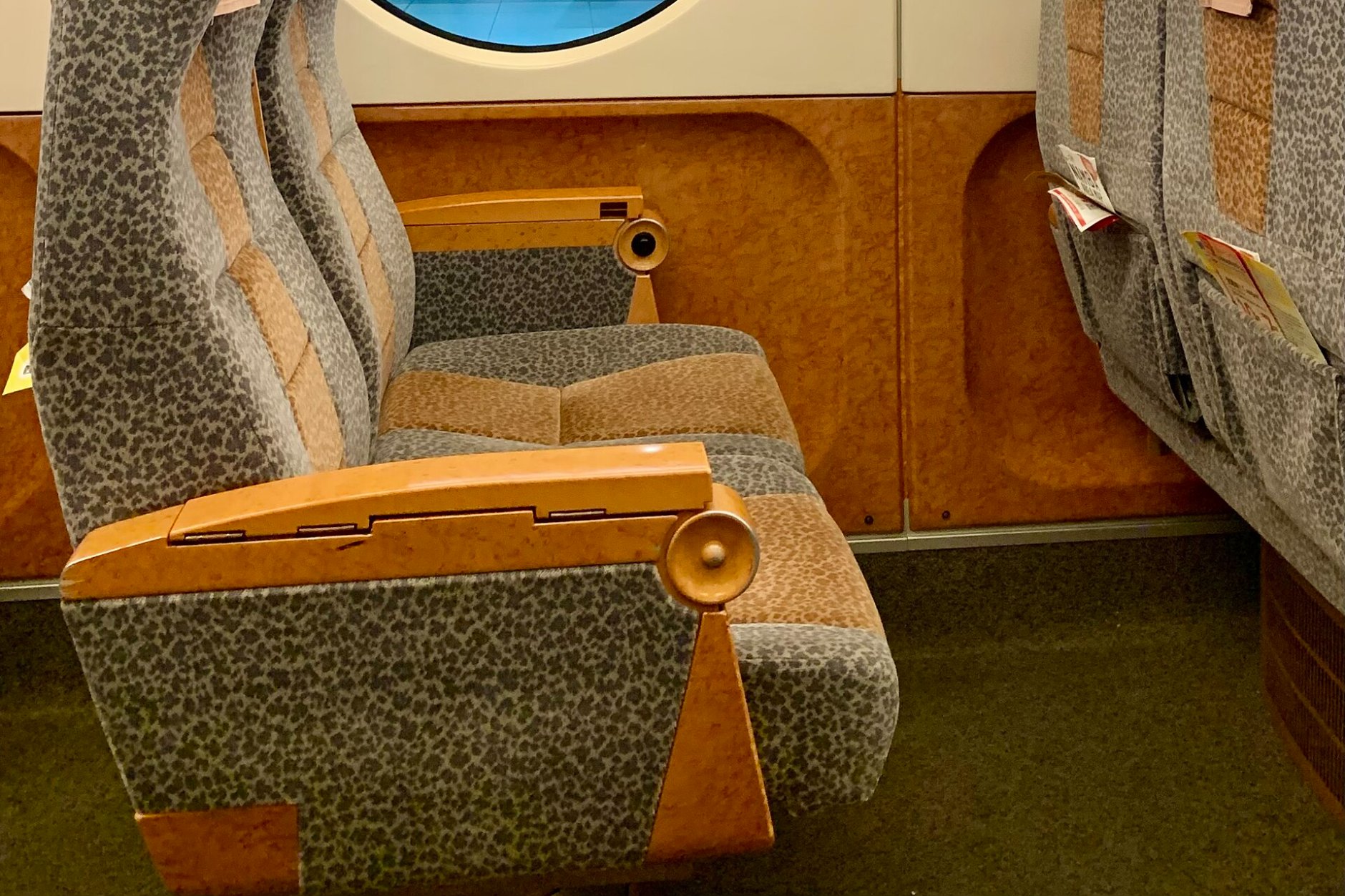
According to Nankai, Rapi:t connects Kansai Airport and Namba in a minimum of 34 minutes, and every seat is reserved. Regular seats are in cars 1 to 4 and Super Seats are in cars 5 and 6. Nankai’s Rapi:t Digital Ticket includes the fare and the express charge. It costs 1,410 yen for an adult regular seat (about $8.90) and 710 yen for a child (about $4.50). A Super Seat costs 1,590 yen for an adult (about $10.10) and 910 yen for a child (about $5.80).
After you buy it, you choose the date, the train and the seat on your phone, then hold the QR code over a designated ticket gate. The ticket is valid only on the date you choose. You can change the train up to two times, until five minutes before departure. Nankai says an unused ticket can be refunded through the system until five minutes before the selected train leaves, with no handling charge. An expired ticket is not refunded.
Official website: https://www.nankai.co.jp/en_railway/ticket/rapit
Step 3: Haruka to Osaka, Shin-Osaka, Tennoji or Kyoto
JR-West sells a discounted one-way HARUKA ticket for visitors. JR-West says the price changed for tickets sold on or after November 1, 2026. From Kansai Airport, adult prices are 1,600 yen to Tennoji (about $10.10), 1,900 yen to Osaka or Shin-Osaka (about $12.00) and 2,700 yen to Kyoto (about $17.10). Child prices are half. Nara (2,200 yen) and Kobe (2,300 yen) are also listed.
The ticket is for visitors only. JR-West says you must hold a passport issued by a foreign government and enter Japan as a “Temporary Visitor.” Japanese nationals cannot use it, including people with permanent residency abroad. You must show your passport to receive the ticket, and it cannot be bought inside Japan.
Official website: https://www.westjr.co.jp/travel-information/en/tickets-passes/oneway/haruka/
Step 4: Buy the Haruka ticket before you land
JR-West lists two ways to buy. You can buy an exchange order from a travel agency outside Japan and exchange it in Japan within three months. Or you can reserve through JR-WEST Online Train Reservation, starting one month before boarding, pay by credit card in advance and collect the ticket at a station machine or ticket office with your passport. JR-West sets the price by the date you buy, not the date you exchange or use it.
Klook also sells a JR Haruka Kansai Airport Express Ticket. Its product page offers an e-ticket you scan at the gate or a physical ticket you collect, and it lists Kansai Airport, Osaka, Shin-Osaka, Kyoto, Tennoji, Nara and Kobe. Klook says you get a full refund if you cancel before redemption and within the validity period. Klook’s page repeats the eligibility rule: the offer is not available for Japanese passport holders and is valid only for non-Japanese passport holders with a “Temporary Visitor” stamp. Klook says to avoid the automated gates at immigration so that you receive the stamp. Up to two children aged 0 to 5 can travel free with an adult ticket holder if they do not take a seat.
Official website: https://www.klook.com/en-US/activity/18400-jr-haruka-airport-express-train-tickets-osaka/
Step 5: Plan where you sleep
Rapi:t ends in Namba and Haruka ends at stations such as Osaka and Kyoto, so choose your hotel first and pick the train that stops closest. See our guides to luxury hotels near Umeda and hotels in Namba and Shinsaibashi.
Where to book
Before you go: stay connected. Our Japan eSIM guide covers how to choose a plan and set it up before you fly.
Dollar amounts in this guide are approximate, at about 158 yen to the dollar on November 2, 2026. Exchange rates change, so check the current rate.
Sources: Nankai Electric Railway (Rapi:t Digital Ticket page); West Japan Railway Company (HARUKA One-way Ticket page); Klook (JR Haruka Kansai Airport Express Ticket product page). Photos: 663highland (CC BY 2.5), Никита Андреев (CC BY-SA 4.0), via Wikimedia Commons.
Want more detail? We also published an Osaka checklist on note (paid, ¥980). It covers airport transfers, sightseeing passes, hotels, restaurants, USJ tickets and emergency contacts for medical help in foreign languages, all checked against official sources.
Related guides
- Osaka Amazing Pass or Osaka e-Pass: Which to Buy
- Where to Stay Near Universal Studios Japan: Four Official Hotels Compared
- Fushimi Inari Taisha: How to Plan Your Visit and Climb the Mountain
This post contains affiliate links. If you book through them, I may earn a commission at no extra cost to you.


Leave a Reply