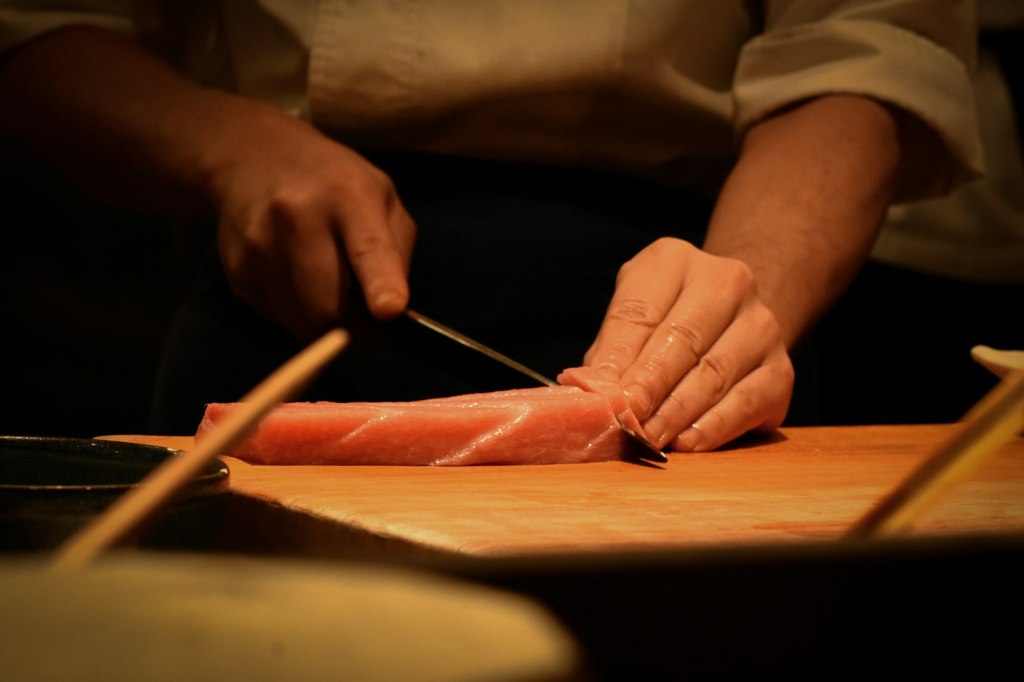
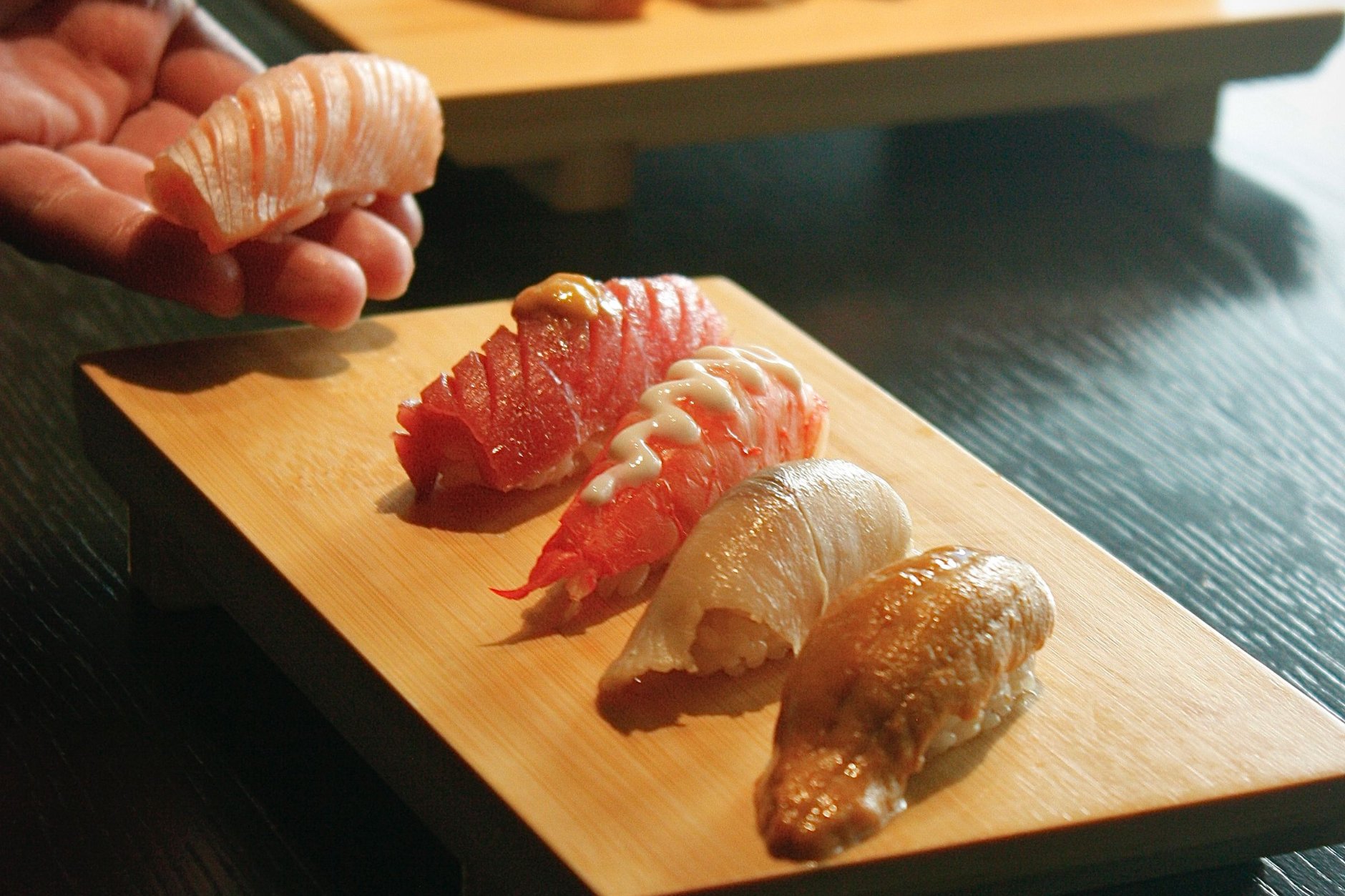
Omakase means “I leave it to you.” The chef chooses every course, and you sit at the counter. In Tokyo, the best-known sushi counters are small and take few guests, so the main challenge is getting a seat. This guide explains how to book and what to expect.
Step 1: Choose how to book
There are several ways to reserve.
- A reservation platform. Tabelog, TableCheck and Omakase.in are examples. TableCheck and Omakase.in offer English screens for some restaurants.
- Your hotel concierge or a travel agency. Concierge staff often have direct relationships with restaurants and speak the language fluently.
- The restaurant’s own website, which may be in Japanese. A browser translation tool can help with the form.
- A message through Instagram, Facebook or LINE, if the restaurant accepts them. Be polite and include all the key details.
- Some high-end restaurants require a referral or a membership. A trusted guide or your hotel may be able to help.
Step 2: Book early
Popular restaurants can be full weeks or even months ahead. For well-known counters, plan to book about 4 to 6 weeks ahead. In busy seasons, such as cherry blossom season, you may need to book earlier.
Step 3: Prepare the details
Have these ready: your preferred date and time, the number of guests, your name and contact information, and any dietary restrictions or allergies. Courses are built around seasonal ingredients, so tell the restaurant about allergies and ingredients you cannot eat when you book.
Step 4: Understand the cancellation terms
Small kitchens buy ingredients for the guests they expect. Cancellation fees are increasingly common, and many restaurants are moving toward deposits. Cancel as early as possible, and at least 24 to 48 hours ahead. Check the policy before you confirm.
Step 5: Be on time
At a counter with one seating, a late guest affects the whole service. Arriving more than 10 to 15 minutes late may cost you your seat.
Step 6: Know the basic etiquette
Take photos discreetly, and avoid flash. Smart casual clothes are a good choice; avoid gym clothes and flip-flops. Tipping is often unnecessary in Japan.
A note on language
Some restaurants limit reservations from guests who do not speak Japanese, because they prefer not to risk a misunderstanding. A concierge or a booking service can help.
Where to book
Booking links will be added to this guide soon.
Sources: Peatix Stories (restaurant reservations in Japan, May 2026); Japan Food Guide (how to book omakase restaurants, November 2024); Tokyo Weekender (omakase etiquette, October 2024). Photos: Unsplash and Pexels.
Related guides
- Fine Dining in Japan: How to Choose and Book an Unforgettable Meal
- Kaiseki in Kyoto: How to Choose and Book Your Dinner
- Where to Eat in Ginza: Sushi, Tonkatsu and Teppanyaki, Plus Two Hotels Within Reach
This post contains affiliate links. If you book through them, I may earn a commission at no extra cost to you.


Leave a Reply